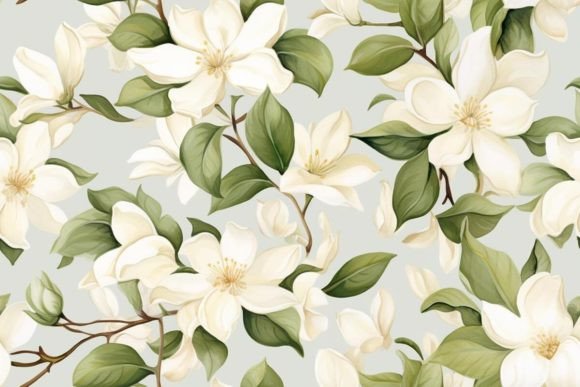
Unlocking Creativity with Flower Illustrations Repeating Patterns
In the vast landscape of digital design, few elements possess as much universal appeal and versatility as flower illustrations repeating patterns. Whether you are a graphic designer seeking fresh assets for a client project, a small business owner looking to brand your packaging, or a creative hobbyist wanting to personalize your home decor, these intricate designs offer a solution that blends natural beauty with structural precision. This guide explores the art of floral repetition, how it transforms simple images into powerful design tools, and why incorporating these patterns into your workflow can elevate your projects from ordinary to extraordinary.
The Essence of Floral Repetition in Design
At its core, a repeating pattern is a sequence of visual elements arranged in a predictable, continuous manner. When this sequence features flower illustrations, the result is a harmonious blend of organic shapes and geometric order. Unlike a single flower image, which captures a moment in time, a repeating pattern creates an atmosphere. It suggests growth, abundance, and continuity. The purpose of using these patterns extends far beyond mere decoration; they serve as foundational textures that can unify disparate elements within a composition.
Historically, humans have used floral motifs to symbolize life, renewal, and nature's cycles. From ancient tapestries to Victorian wallpaper, flowers have been a staple of human expression. In the modern digital age, we have adapted these timeless motifs into vector-based and raster files that can be scaled infinitely without losing quality. This adaptability makes them indispensable for both print media and web design.
Why Choose Hand-Drawn Over Photographic?
A common misconception is that high-quality floral imagery must come from photography. While photographs capture reality beautifully, illustrated floral patterns offer a level of stylization that photos cannot match. Illustrations allow designers to:
- Control Color Palettes: You can easily swap out colors to match a specific brand identity or seasonal theme without altering the underlying structure.
- Simplify Complexity: Real flowers can be visually cluttered. Illustrations distill the essence of a bloom into clean lines and shapes, making them easier to read at small sizes, such as on a mobile app icon or a business card.
- Create Cohesion: A set of illustrated flowers shares a consistent line weight and artistic style, ensuring that the pattern feels intentional rather than random.
Practical Applications in Modern Life and Business
The utility of floral repeating patterns spans across various industries, proving their relevance in today's fast-paced digital economy. Understanding where and how to apply these assets can unlock new opportunities for creativity and efficiency.
1. Branding and Packaging
In the competitive world of retail, packaging is often the first interaction a customer has with a product. A box adorned with a subtle, elegant flower illustration repeating pattern immediately conveys a sense of care and quality. For businesses selling cosmetics, tea, candles, or artisanal foods, these patterns evoke feelings of natural ingredients and handcrafted excellence. They help a product stand out on a crowded shelf by offering a soft, inviting aesthetic that contrasts with stark, minimalist competitors.
2. Web and User Interface (UI) Design
Modern web design is moving away from flat, sterile backgrounds toward more textured and immersive experiences. Incorporating a floral pattern as a background element can add depth to a website without overwhelming the primary content. For example, a blog about gardening or wellness might use a light, airy floral repeat to create a calming environment for readers. These patterns work exceptionally well when used as low-opacity overlays, adding a layer of sophistication to headers, footers, and section dividers.
3. Textile and Fashion Industry
The fashion industry remains one of the largest consumers of repeating patterns. From summer dresses to scarves, the demand for unique floral prints is constant. Designers utilize digital versions of these patterns to visualize how a fabric will look before it is ever printed. With the rise of print-on-demand services, independent creators can now upload their own floral designs to create custom clothing lines, turning a simple JPEG file into a profitable business venture.
Navigating Digital Assets: What to Expect
When sourcing digital assets, particularly those found in ZIP archives containing multiple formats, it is crucial to understand the technical specifications to ensure the best results. Many users encounter confusion regarding file types and naming conventions.
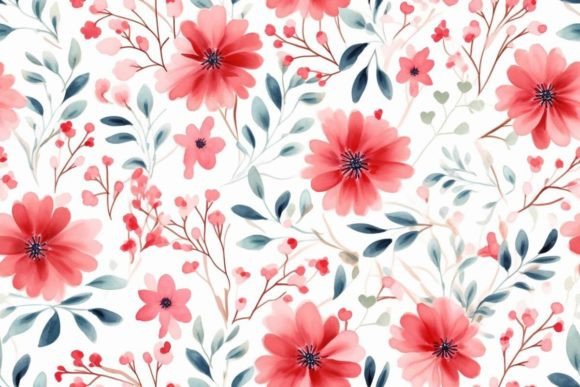
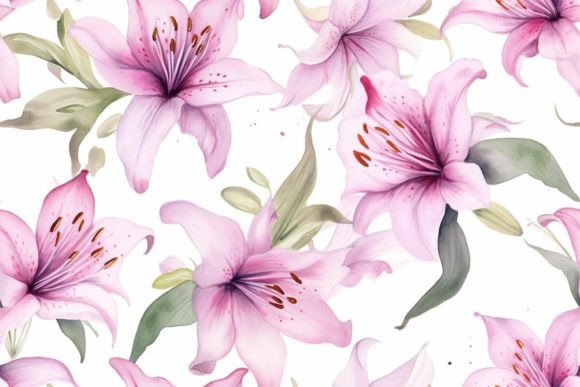
Consider a typical package labeled "Flower Illustrations Repeating Patterns." Inside, you might find a collection of JPG files. It is important to note that while these files are high-resolution and ready for immediate use, the titles associated with them may sometimes be randomly generated or generic. For instance, a file named "Image_04.jpg" might actually contain a stunning peony pattern, while another titled "Spring_Vibes" could feature autumn leaves.
Pro Tip: Do not rely solely on the filename to identify your assets. Always preview the actual image content. Focus on the visual details—the clarity of the petals, the balance of the negative space, and the color harmony—rather than the text label.
If you require a specific type of image, such as watercolor textures versus bold ink drawings, it is highly recommended to communicate your needs clearly to the creator or community. Most platforms encourage users to leave comments requesting specific styles. By engaging in this dialogue, you help curate a library that better serves the diverse needs of the design community.
Building a Comprehensive Skill Set
To truly master the use of flower illustrations repeating patterns, one must move beyond simply downloading and pasting images. Effective design involves understanding the rhythm and flow of the pattern itself.
- Analyze the Repeat: Look at how the edges of the image connect. A seamless pattern should have no visible breaks or harsh lines where tiles meet. If you notice gaps, the pattern may need adjustment in software like Adobe Photoshop or Illustrator.
- Experiment with Opacity: Using a pattern at 100% opacity can sometimes dominate a layout. Try reducing the opacity to 10% or 20% to create a subtle texture that supports your typography and main imagery.
- Layering Techniques: Combine different floral patterns with varying scales. Pairing a large, bold floral repeat with a smaller, delicate botanical sketch can create a dynamic, magazine-style look.
Supporting Creators and Community Growth
The ecosystem of digital design relies heavily on the exchange of ideas and resources. When you find a resource that works perfectly for your project, acknowledging the effort behind it is vital. Leaving a review is one of the most impactful ways to support creators. A positive rating not only validates the quality of the work but also helps other designers discover reliable assets quickly.
Furthermore, following creators who specialize in botanical art and pattern design keeps you updated on the latest trends. Design communities thrive on feedback. If you have a vision for a specific type of floral illustration—perhaps a specific region's flora or a particular artistic era—voicing this interest in the comments section can inspire future uploads. This collaborative approach ensures that the library of available resources continues to grow and diversify.
Conclusion: Embracing the Beauty of Repetition
In conclusion, flower illustrations repeating patterns are more than just decorative fillers; they are fundamental building blocks of visual communication. They bridge the gap between the organic chaos of nature and the structured order of design. By understanding their applications in branding, web design, and textiles, and by learning how to navigate digital asset libraries effectively, you empower yourself to create work that is both aesthetically pleasing and strategically sound.
Whether you are designing a wedding invitation, a corporate brochure, or a personal blog, the right floral pattern can set the tone and elevate the entire project. Remember to explore the files thoroughly, ignore misleading titles, and focus on the visual impact. As you continue your creative journey, consider supporting the artists who bring these beautiful designs to life through reviews and engagement. Together, we can foster a vibrant community that celebrates the enduring charm of nature captured in digital form.