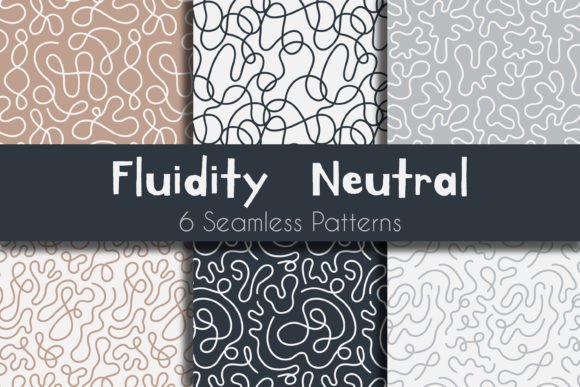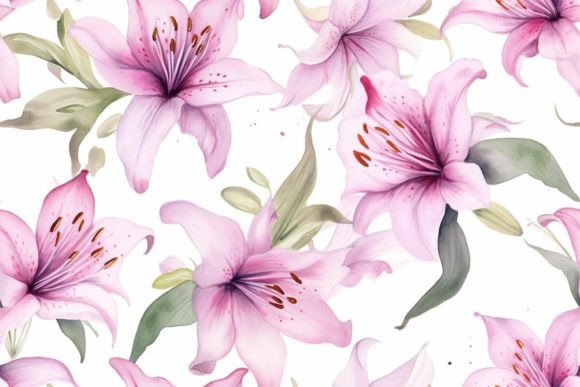
Unlocking the Potential of Floral Graphics Repeating Patterns for Modern Design
In the expansive world of visual communication, few elements possess as much versatility and timeless appeal as Floral Graphics Repeating Patterns. These intricate arrangements of botanical motifs have transcended their traditional roots in textiles to become a cornerstone of contemporary digital design, branding, and artistic expression. Whether you are a seasoned graphic designer seeking texture for a website background or a small business owner looking to elevate product packaging, understanding the nuances of these patterns is essential for creating compelling visual narratives.
The core value of Floral Graphics Repeating Patterns lies in their ability to convey mood, style, and identity without relying on heavy text. A single repeating motif can instantly transport a viewer to a specific era, evoke a sense of nature, or establish a brand's aesthetic foundation. This article explores the multifaceted applications of these designs, examining how they function across various industries and why they remain a critical asset in a creator's toolkit.
The Architecture of Repetition in Botanical Design
Before diving into applications, it is crucial to understand what constitutes an effective floral repeat. Unlike a singular illustration of a rose or a lily, a repeating pattern is engineered to tile seamlessly. This technical requirement demands precision in alignment, ensuring that when the image repeats horizontally and vertically, no harsh lines or disjointed elements break the flow. The result is a continuous tapestry that feels organic despite its mathematical construction.
Key characteristics of high-quality floral repeats include:
- Seamlessness: The edges must match perfectly so the eye cannot detect where one tile ends and another begins.
- Scale Variation: Effective designs often mix large focal flowers with smaller filler elements to create depth and prevent visual monotony.
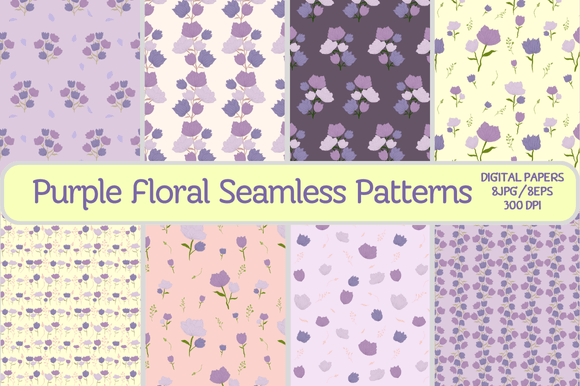
- Color Harmony: The palette used in Floral Graphics Repeating Patterns dictates the emotional response. Soft pastels suggest tranquility, while bold, saturated colors convey energy and vibrancy.
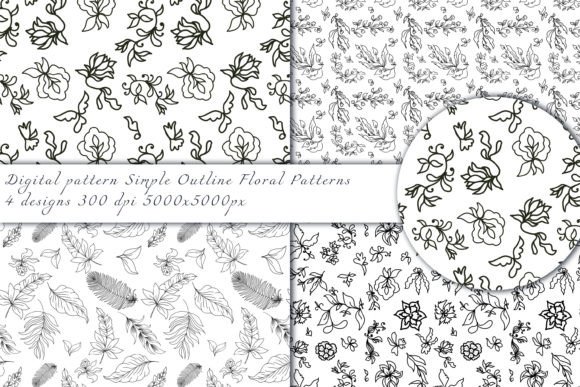
- Style Consistency: Whether the approach is watercolor, vector geometric, or vintage engraving, the stylistic voice must remain consistent throughout the repeat unit.
When designers source files, such as those found in specialized collections containing JPG formats, they are often looking for this specific balance of artistic flair and technical utility. The file format itself plays a role; a high-resolution JPG allows for broad compatibility in print and web projects, provided the compression does not degrade the fine details of the petals and leaves.
Diverse Applications Across Professional Sectors
The utility of floral graphics extends far beyond simple decoration. Professionals in various fields leverage these patterns to solve specific design challenges and enhance user engagement. The adaptability of Floral Graphics Repeating Patterns makes them suitable for everything from corporate identity systems to educational materials.
Textile and Fashion Industry Integration
Historically, the primary home of floral repeats has been fabric. However, the digital age has revolutionized this relationship. Designers now utilize Floral Graphics Repeating Patterns for digital printing on demand, allowing for rapid prototyping of clothing lines. In fashion, these patterns serve as the primary canvas for dresses, scarves, and accessories. The shift towards sustainable fashion has also seen a resurgence in naturalistic floral motifs, connecting consumers with environmental themes through visual storytelling.
Digital Interfaces and Web Design
In the realm of User Experience (UX) and User Interface (UI) design, subtle textures are vital for preventing visual fatigue. Large blocks of solid color can feel sterile, whereas a soft, repeating floral pattern adds warmth and personality to a webpage. When applied as a background element behind content cards or navigation bars, these patterns provide a sophisticated backdrop that draws attention to the primary information without overwhelming it. For e-commerce sites selling lifestyle products, integrating Floral Graphics Repeating Patterns into the site architecture can reinforce the brand's connection to nature and wellness.
Packaging and Brand Identity
For consumer goods, packaging is the first point of physical contact with the customer. A well-designed label featuring a unique floral repeat can differentiate a product on a crowded shelf. Cosmetics, organic food items, and artisanal teas frequently employ these graphics to communicate purity, freshness, and craftsmanship. The pattern becomes part of the brand's DNA, appearing on boxes, bags, and promotional materials to create a cohesive visual language.
Strategic Considerations for Implementation
While the aesthetic benefits are clear, implementing Floral Graphics Repeating Patterns requires careful planning to ensure success. The goal is to integrate the pattern in a way that supports the message rather than distracting from it. Several factors must be considered during the selection and application process.
- Contextual Relevance: Not every project requires a floral theme. The choice of pattern should align with the brand's values and the target audience's expectations. A medical device manufacturer might find a delicate watercolor floral pattern inappropriate, whereas a boutique hotel chain would benefit greatly from it.
- Readability and Contrast: One of the most common pitfalls is placing text over a busy pattern. To maintain legibility, designers often use semi-transparent overlays or place text within solid-colored "safe zones" created by the pattern itself. The contrast between the foreground elements and the background must be sufficient to guide the reader's eye.
- File Quality and Resolution: As noted in many design resource descriptions, the quality of the source file is paramount. If the JPG file provided in a download package lacks sufficient resolution, the pattern will pixelate when scaled up for large-format prints like banners or billboards. Always verify the DPI (dots per inch) requirements before finalizing a project.
- Customization Potential: While pre-made patterns offer convenience, the most impactful designs often involve customization. Adjusting the color palette to match specific brand guidelines or altering the density of the repeat can transform a generic asset into a bespoke solution.
The Evolution of Floral Motifs in Contemporary Culture
The perception of floral graphics has shifted significantly over the last decade. Once associated strictly with traditional or rustic aesthetics, modern Floral Graphics Repeating Patterns have embraced minimalism, maximalism, and surrealism. Digital artists are now combining realistic botanical illustrations with abstract shapes, neon colors, and glitch effects to create entirely new visual languages.
This evolution reflects broader cultural trends. In an increasingly digital and virtual world, there is a growing desire for connections to the natural world. Floral patterns offer a tangible link to nature, providing a sense of calm and grounding. Educators and researchers studying visual psychology note that exposure to natural imagery, even in stylized forms, can reduce stress and improve cognitive performance. Consequently, incorporating these patterns into workspaces, educational apps, and learning management systems is becoming a strategic move for institutions focused on well-being.
Selecting the Right Assets for Your Project
When sourcing assets, whether from marketplaces or personal archives, it is important to look beyond the thumbnail preview. The description of a file set often contains critical metadata regarding usage rights and technical specifications. For instance, a collection described as containing Floral Graphics Repeating Patterns might include variations in scale or orientation that are not immediately obvious in a single image.
Users should pay close attention to the licensing terms. Some assets are available for commercial use, while others are restricted to personal projects. Understanding these distinctions protects creators from legal issues and ensures ethical use of intellectual property. Furthermore, checking the comments section or reviews of a product can provide insight into the actual quality of the images. As mentioned in many resource listings, titles can sometimes be misleading, focusing on keywords rather than the visual reality. Therefore, inspecting the actual JPG file previews and zooming in to check edge continuity is a necessary step in the vetting process.
Additionally, the versatility of the pattern matters. A good repeating pattern should work well in both light and dark modes, or at least offer a version optimized for each. This flexibility is particularly relevant for web developers who need to accommodate different user preferences and lighting conditions.
Fostering Creativity Through Pattern Exploration
For hobbyists and independent creators, working with Floral Graphics Repeating Patterns offers a low-barrier entry into professional-grade design. It allows individuals to experiment with composition, color theory, and layout without needing to draw every element from scratch. By manipulating existing patterns—scaling them, rotating them, or layering multiple repeats—creators can develop unique styles that reflect their personal vision.
Educators can also utilize these resources to teach fundamental design principles. Analyzing how a floral motif repeats helps students understand concepts like rhythm, balance, and proportion. It serves as a practical example of how mathematical precision can coexist with artistic freedom. When students see how a simple flower can be transformed into a complex, seamless surface, their appreciation for the underlying mechanics of design deepens.
The Future of Botanical Digital Art
Looking ahead, the integration of Floral Graphics Repeating Patterns with emerging technologies promises exciting developments. Augmented Reality (AR) and Virtual Reality (VR) platforms require immersive backgrounds that can respond to user movement. Dynamic floral patterns that shift or bloom based on interaction could redefine how users engage with digital spaces. Furthermore, AI-driven design tools are beginning to generate custom floral repeats based on textual prompts, offering unprecedented speed and variety for businesses looking to refresh their visual identity.
Despite these technological advancements, the fundamental appeal of the floral motif remains unchanged. Humans have always been drawn to the beauty of plants, finding solace and inspiration in their forms. As long as this connection exists, Floral Graphics Repeating Patterns will remain a vital component of the design ecosystem. They bridge the gap between the organic and the digital, offering a timeless aesthetic that resonates across generations and cultures.
Whether you are designing a luxury wallpaper, a children's book cover, or a corporate presentation deck, the thoughtful application of these patterns can elevate your work from functional to memorable. By respecting the technical requirements of repetition and understanding the emotional weight of the imagery, creators can harness the full power of floral graphics to tell stories that captivate and inspire.