8 Repeating Seamless Surface Patterns
When working on creative projects, the right visual elements can make all the difference. 8 Repeating Seamless Surface Patterns offer a refined solution for designers, marketers, and creators looking to add texture and depth without compromising on quality or consistency. These patterns are crafted with precision, designed to extend seamlessly across any surface, making them ideal for digital and print applications alike.
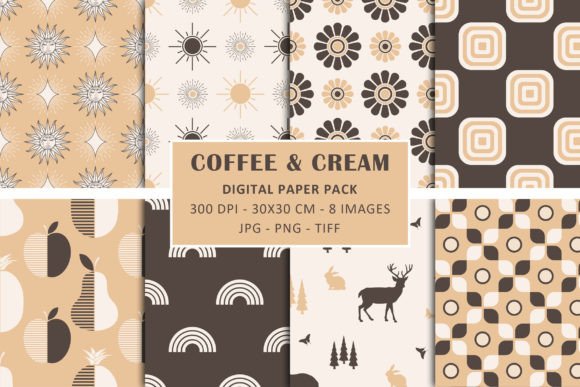
Each pattern is available in a 30x30cm canvas at a resolution of 300 dpi, ensuring crisp details that stand out even when viewed up close. With warm hues of coffee and cream, these designs bring a sense of sophistication and elegance to any project they're applied to. Whether you're working on branding materials, packaging, website backgrounds, or interior design concepts, 8 Repeating Seamless Surface Patterns provide a versatile foundation that adapts to various creative needs.
Understanding the Role of Repeating Seamless Surface Patterns
Repeating seamless patterns are more than just decorative elements; they serve functional purposes in design workflows. They allow for continuity in visuals, reducing the need for manual repetition or tiling. This makes them particularly useful in graphic design, web development, and product packaging where consistent visual language is essential.
8 Repeating Seamless Surface Patterns are designed with this principle in mind. Their high-resolution format ensures that they remain clear and sharp, even when scaled up or down. This adaptability means they can be used across multiple platforms—whether as background images for websites, textures for 3D modeling, or overlays for print media.
Integrating Patterns into Your Workflow
Before starting a project, it's important to consider how visual elements like repeating patterns will contribute to the overall aesthetic. 8 Repeating Seamless Surface Patterns can be incorporated early in the planning phase to establish a cohesive look. For example, if you're designing a brand identity package, selecting a pattern that aligns with your brand’s color palette and tone can streamline the entire process.
During the execution phase, these patterns can be used as base layers or as accents. In web design, they can serve as subtle background textures that enhance user experience without overwhelming the content. In print design, they can add dimension to posters, brochures, or packaging materials.
After the initial design is complete, patterns can also be used for refinement. If a project requires additional visual interest, applying one of these seamless surface patterns can elevate the final output. This is especially useful in cases where minimalism might feel flat or unengaging.
Practical Applications of 8 Repeating Seamless Surface Patterns
The versatility of 8 Repeating Seamless Surface Patterns makes them suitable for a wide range of applications. Here are some practical examples of how they can be used:
- Web Design: Use as background textures for landing pages, headers, or hero sections. Their subtle nature ensures readability while adding visual depth.
- Print Media: Incorporate into business cards, stationery, or promotional materials. The patterns can be printed at high resolution without visible seams or distortions.
- Product Packaging: Apply as textures to boxes, labels, or wraps. This adds a tactile element that enhances the perceived value of the product.
- Interior Design: Use in digital mockups for wall coverings, upholstery, or floor tiles. These patterns can help visualize how a space will look before making physical commitments.
By integrating 8 Repeating Seamless Surface Patterns into your workflow, you can maintain a consistent visual style across different mediums and formats. This consistency is key to building strong brand recognition and delivering professional-quality results.
Choosing the Right Format for Your Needs
These patterns are available in Jpg, Png, and Tiff formats, each offering unique advantages depending on the intended use. Jpg files are ideal for web-based applications due to their smaller file size and good compression quality. Png files, on the other hand, support transparency, making them perfect for overlaying patterns onto existing designs without disrupting the underlying content.
Tiff files are best suited for high-quality print outputs, as they preserve maximum detail and color accuracy. When selecting a format, consider the platform and medium where the pattern will be used to ensure optimal performance and appearance.
Best Practices for Using 8 Repeating Seamless Surface Patterns
To get the most out of 8 Repeating Seamless Surface Patterns, it's important to follow some best practices:
- Test Before Committing: Always preview the pattern in its intended context before finalizing a design. This helps identify any potential issues with alignment, contrast, or clarity.
- Use Subtlety: While patterns can add visual interest, overuse can lead to clutter. Apply them sparingly to maintain balance and focus on the primary content.
- Ensure Compatibility: Check that the chosen pattern format is compatible with the software or platform you're using. Some tools may not support certain file types or resolutions.
- Organize Your Assets: Keep your pattern files well-organized in a dedicated folder or asset library. This improves efficiency and makes it easier to locate specific designs when needed.
By following these guidelines, you can ensure that 8 Repeating Seamless Surface Patterns enhance rather than hinder your creative efforts.
Long-Term Use and Quality Control
For professionals who rely on consistent visual elements, maintaining a library of high-quality patterns is essential. 8 Repeating Seamless Surface Patterns are designed for long-term use, but it's still important to periodically review and update your collection to stay current with design trends and technological advancements.
Quality control should also be a priority. Ensure that the patterns you use meet the required resolution and file format standards for your specific application. This helps prevent issues such as pixelation, distortion, or misalignment when the patterns are used in different contexts.
Incorporating these patterns into your workflow doesn't have to be complicated. With careful planning and thoughtful implementation, they can become valuable assets that consistently elevate the quality of your work.
Conclusion
8 Repeating Seamless Surface Patterns offer a sophisticated yet practical solution for enhancing visual designs across a variety of mediums. Their high-resolution quality, seamless integration, and versatile formats make them an excellent choice for professionals and creatives seeking to add elegance and depth to their projects.
Whether you're working on a digital campaign, print material, or interior design concept, these patterns provide a reliable way to achieve consistent, professional results. By understanding how to integrate them into your workflow, you can unlock new creative possibilities and deliver visually compelling outcomes that stand out from the competition.